

► Do have your septic tank pumped regularly.
As a general rule pumping every 3 years will extend the life of your septic system.
Many septic systems were installed following minimum specs and requirements. Pumping the tank more often will help to positively impact a system that is less than adequate.
If you are uncertain about the capacity, usage, and proper operation, we can perform an inspection of your septic tank waste and sludge levels.
The following recommendations are representative of average to below-average conditions. System design, actual soil condition, and the usage/load may warrant more or less frequent tank cleaning.

►Do have your tank pumped more often if you are on certain medications.
Chemotherapy and certain high dosage antibiotics will stun the good microbes that break down solids.
►Do have your tank pumped the day before a large event.
Let’s say you have planned a large wedding reception where 80 or more persons will be celebrating, eating and drinking, and you opted out of using porta-potties. During this time everyone uses the bathroom at least twice. This could put a load on the entire septic system. If it’s been a while since you’ve had the tank cleaned, schedule a service call so we can make sure you start off the festivities with an empty tank.
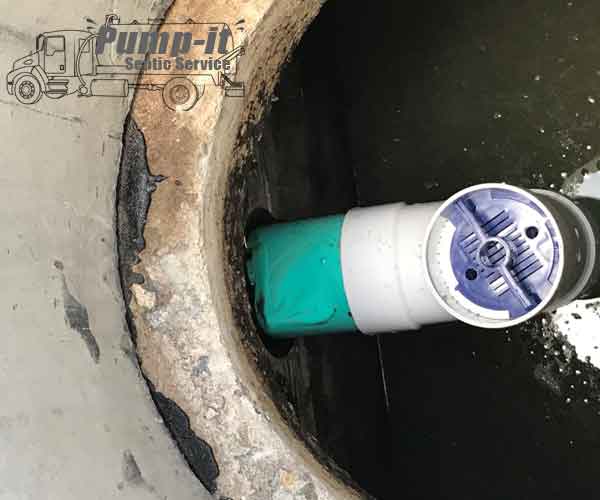
►Do have an Effluent Filter installed.
A ‘quality’ Effluent Filter will trap waste-solids before they flow into the drain-field. This preventative measure yields significant returns.

►Don’t use so much water.
The drain-field has only so much capacity daily. Water conservation will help to extend the life of your system.
►Don’t use your septic system as a trash can.
Cigarette butts, facial tissues, feminine products, cotton swabs, cat box litter, (any) wipes or disposable diapers should not be flushed. Only normal waste and toilet paper should make its way into the septic tank.
►Don’t pour grease, cooking oil or food solids down the drain.
Also, eliminate or restrict the use of a sink garbage disposal. Over time these solids can clog the drain-field. Installing an Effluent Filter will reduce suspended food solids that would otherwise be introduced at the kitchen sink. A filter is the most inexpensive thing one can do to protect the drain-field.
►Don’t ruin your system with harmful chemicals.
Cleaners, solvents, oils, paints, thinners, discarded medications, disinfectants, pesticides, poisons, and other chemicals can kill the enzymes and bacteria that naturally treat the sewage. Limit use of detergent to a minimum.